
When the Body Speaks: Understanding Stress, Trauma, and Body Mapping
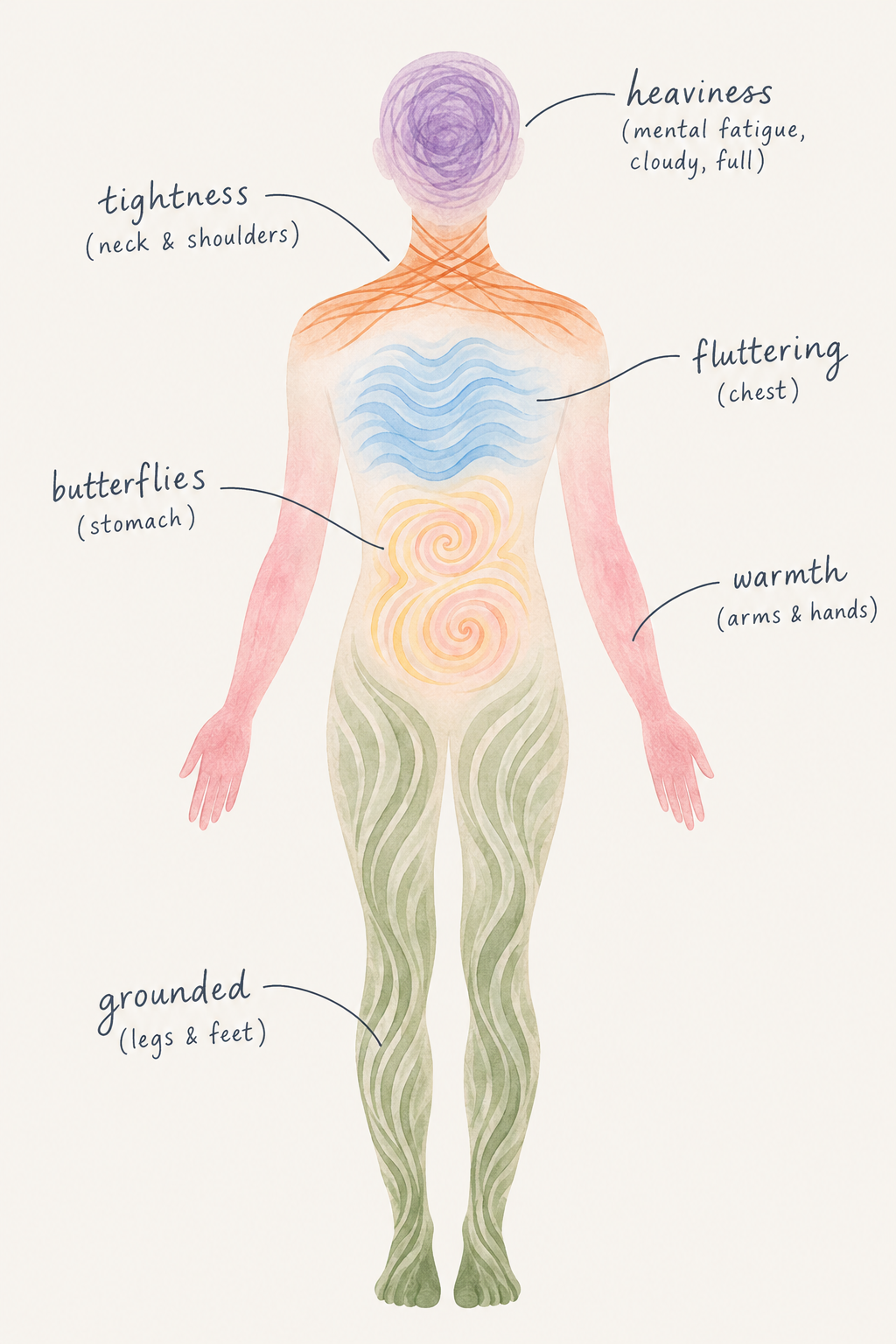
Have you ever noticed your shoulders becoming tense after a stressful day? A heaviness in your chest during a difficult conversation? Or perhaps a knot in your stomach when you're feeling anxious, even when you can't quite explain why?
Our bodies are constantly responding to the world around us. Yet, how often do we stop to recognize what they might be communicating? We often think about stress and trauma in terms of our thoughts, emotions, and memories. However, these experiences can also influence how we feel physically. Understanding this connection can be an important part of developing self-awareness and emotional regulation.
How Stress and Trauma Show Up in the Body
Our nervous system plays an important role in how we experience and respond to stress. When we encounter something, our brain perceives as threatening or overwhelming, our body's stress response can activate automatically. You may have heard of the fight, flight, or freeze responses. These are natural protective responses that help us navigate perceived danger.
During these responses:
our heart rate may increase
muscles may tense
breathing may change
experience feelings of numbness or disconnection
While these responses serve an important purpose, prolonged stress or traumatic experiences can influence how sensitive our nervous system becomes to perceived threats. Sometimes, our bodies may continue responding to stress even when we are no longer in an unsafe situation. Over time, we may become so accustomed to certain physical sensations that we don't immediately recognize their potential connection to stress.
What is Body Mapping?
Somatic awareness involves recognizing physical sensations and developing an understanding of how our bodies respond to different experiences. One tool that can support this awareness is body mapping. Body mapping is a creative and reflective approach that helps individuals recognize and visualize physical sensations throughout their bodies. It typically involves using an outline of the human body and identifying sensations through colours, shapes, symbols, or words.
For example, someone might use red to represent tension in their shoulders, blue to represent heaviness in their chest, or yellow to represent warmth and comfort in their hands. There is no right or wrong way to create a body map. The colours and symbols do not have universal meanings; they represent the individual's unique experience.
Body mapping can also provide an alternative form of expression, particularly when experiences are difficult to put into words. This creative approach allows individuals to explore the connection between their thoughts, emotions, and physical responses in a way that is personal to them.
Why Does Body Awareness Matter?
Our physical and emotional experiences are interconnected. When we feel anxious, we may notice changes in our breathing. When overwhelmed, we may experience muscle tension. When feeling comfortable or relaxed, our bodies may respond differently.
However, these connections are not always immediately recognizable, particularly for individuals who have experienced prolonged periods of stress or trauma. Developing body awareness may help us begin recognizing patterns in how our bodies respond to our emotions, environments, and everyday experiences.
Within a therapeutic setting, body mapping can provide a supportive way to explore these connections. It can also create opportunities to develop grounding and emotional regulation strategies that respect everyone’s comfort, needs, and pace. It's important to remember that not every physical sensation is related to trauma or stress, and focusing on bodily sensations may not feel comfortable for everyone.
Learning to Listen to Our Bodies
Reconnecting with our bodies does not mean having complete control over our emotions or physical responses. Rather, it involves developing curiosity, compassion, and awareness toward our experiences.
For individuals who have spent extended periods navigating stressful environments, this awareness may take time and support. Body mapping is one way of beginning that process, offering an opportunity to recognize the connection between our physical and emotional experiences without needing to interpret or change everything we notice. Sometimes, the first step toward understanding ourselves is simply learning to notice.
Needing some support? Click here to book a free virtual consultation with one of our therapists!

Written by: Meghan Corry BSW, MSW Intern
Meghan holds a Bachelor of Social Work, and is currently completing her Masters of Socialwork at Wilfrid Laurier University. Meghan has experience in supporting gender-diverse individuals and families experiencing gender-based violence, anxiety, self-esteem, life changes, and parenting support. She is currently accepting new clients and offers in person or virtual therapy for adults.